Injury Prevention: Essential Stretches and Warm-ups for Gymnasts
Gymnastics is a beautiful sport that showcases incredible feats of strength and flexibility. However, without a proper warm-up and stretching routine, gymnasts are at a higher risk for injury. At Virginia Elite Gymnastics Academy (VEGA), athlete safety is our top priority. We educate our gymnasts on the importance of preparing their bodies for the physical demands of training. A well-structured warm-up not only helps prevent injury but also enhances performance by improving flexibility and mobility. Here are four essential steps every gymnast should take before hitting the mat.
Dynamic Warm-ups
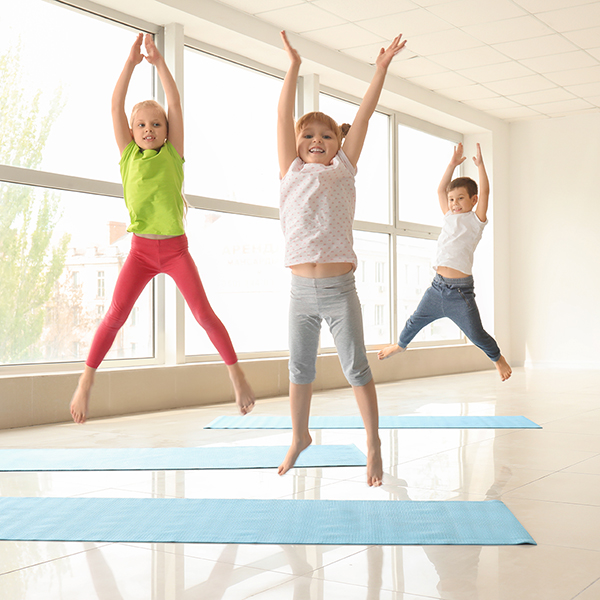
Before static stretching, gymnasts should engage in dynamic movements that get the blood flowing and prepare the muscles and joints for activity. This can include light jogging, jumping jacks, arm circles, leg swings, and torso twists. Dynamic warm-ups raise the body’s core temperature and mimic the movements of the sport, reducing stiffness and increasing range of motion.
Targeted Joint Mobility Drills
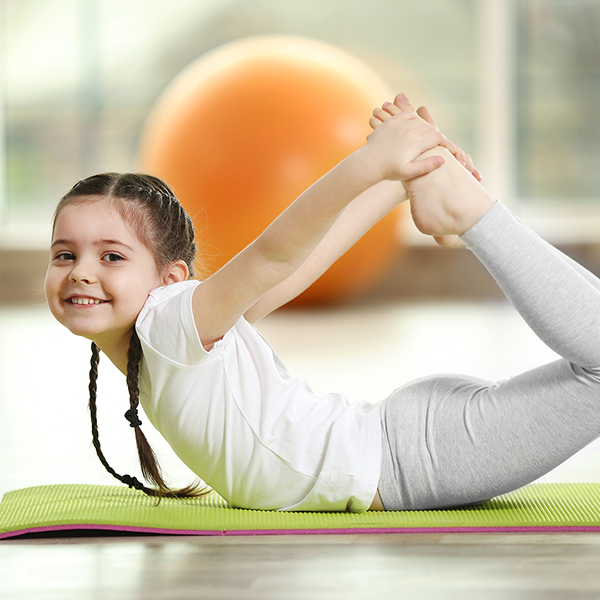
Gymnastics puts significant stress on major joints, so it’s crucial to prepare them specifically. A gymnast should incorporate joint mobility drills for ankles, knees, hips, wrists, and shoulders. This can involve gentle rotations, circles, and controlled movements that increase joint lubrication and prepare the connective tissues for the impact of jumps, landings, and holds.
Static Stretching for Flexibility
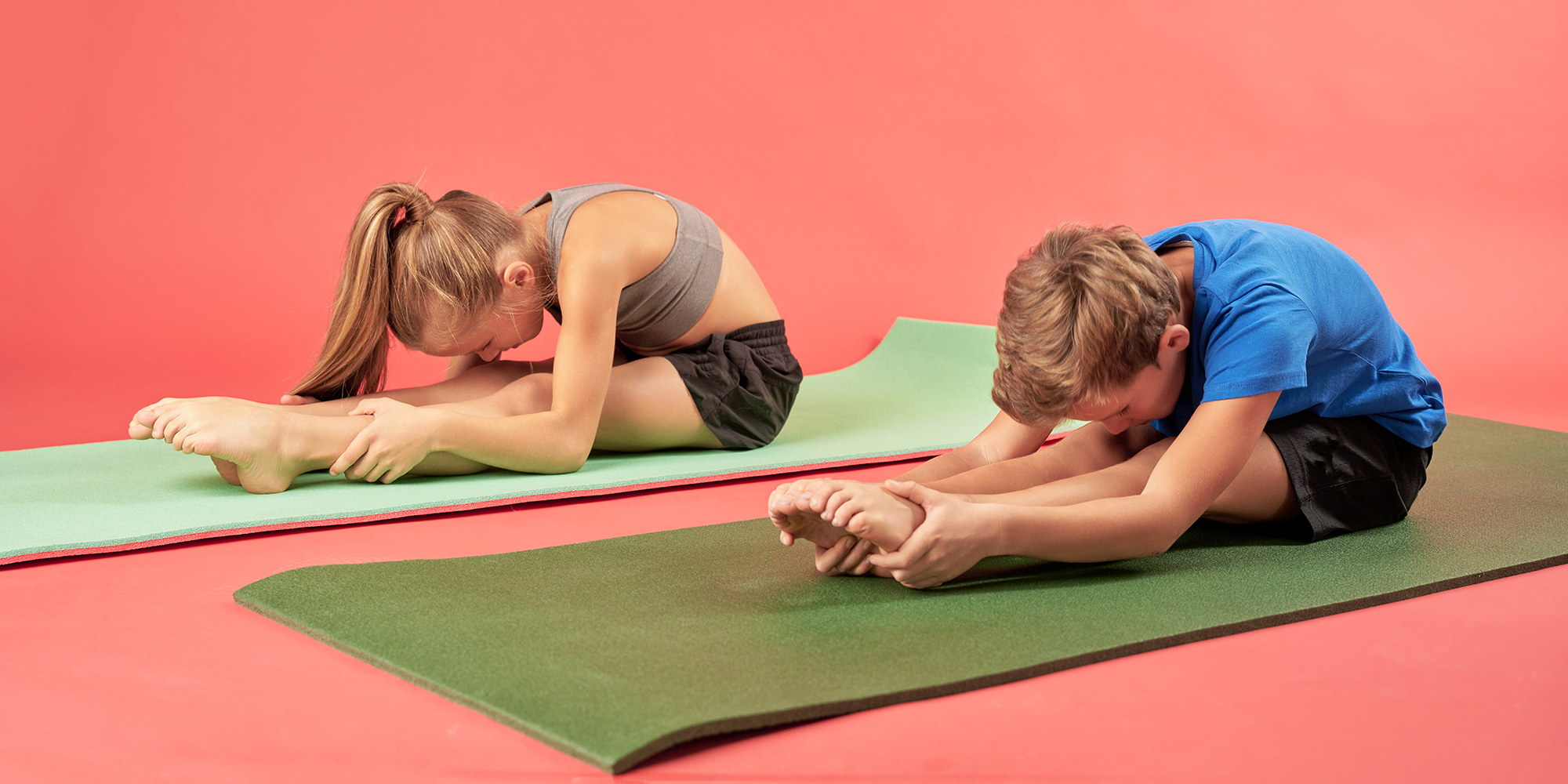
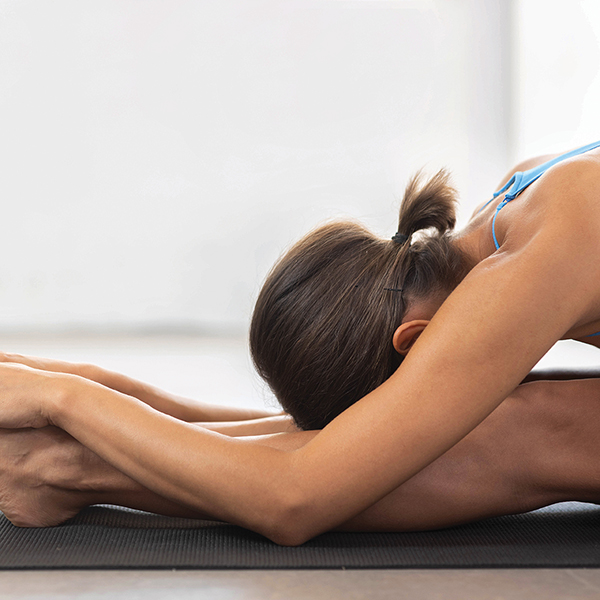
After the muscles are warm, it’s time for static stretching. This type of stretching, where a position is held for a period of time, is key to improving flexibility, a cornerstone of gymnastics. Essential static stretches include hamstring stretches, quad stretches, straddles, pike stretches, and shoulder bridge holds. Increased flexibility allows for cleaner lines, higher scores, and a decreased risk of muscle strains.
Core Activation and Stability
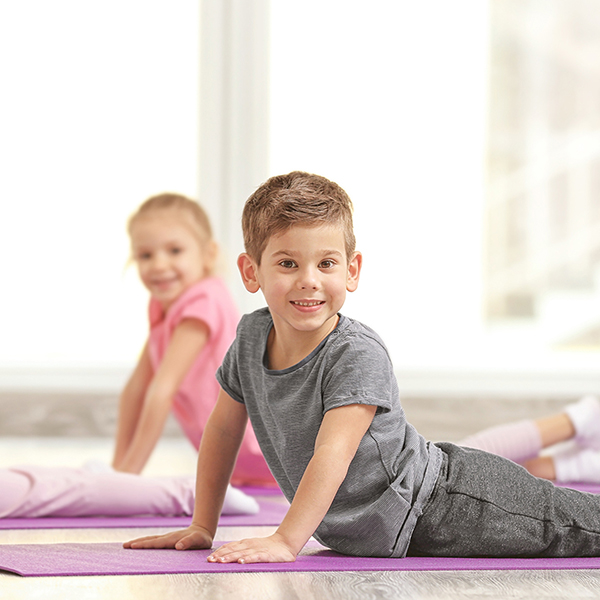
A strong core is the foundation of every gymnastic skill. Before training, gymnasts should perform exercises that activate their core muscles, such as planks, leg lifts, and crunches. A strong core provides stability for all movements and helps transfer power efficiently throughout the body. Without proper core activation, a gymnast is more prone to overcompensating with other muscles, leading to imbalances and potential injury.
Our coaches at Virginia Elite Gymnastics Academy are experts in safe and effective training. We prioritize teaching our athletes these fundamental routines to ensure they can enjoy a long and successful gymnastics journey. For a deeper look into our training methods and how we protect our athletes, contact us today!